
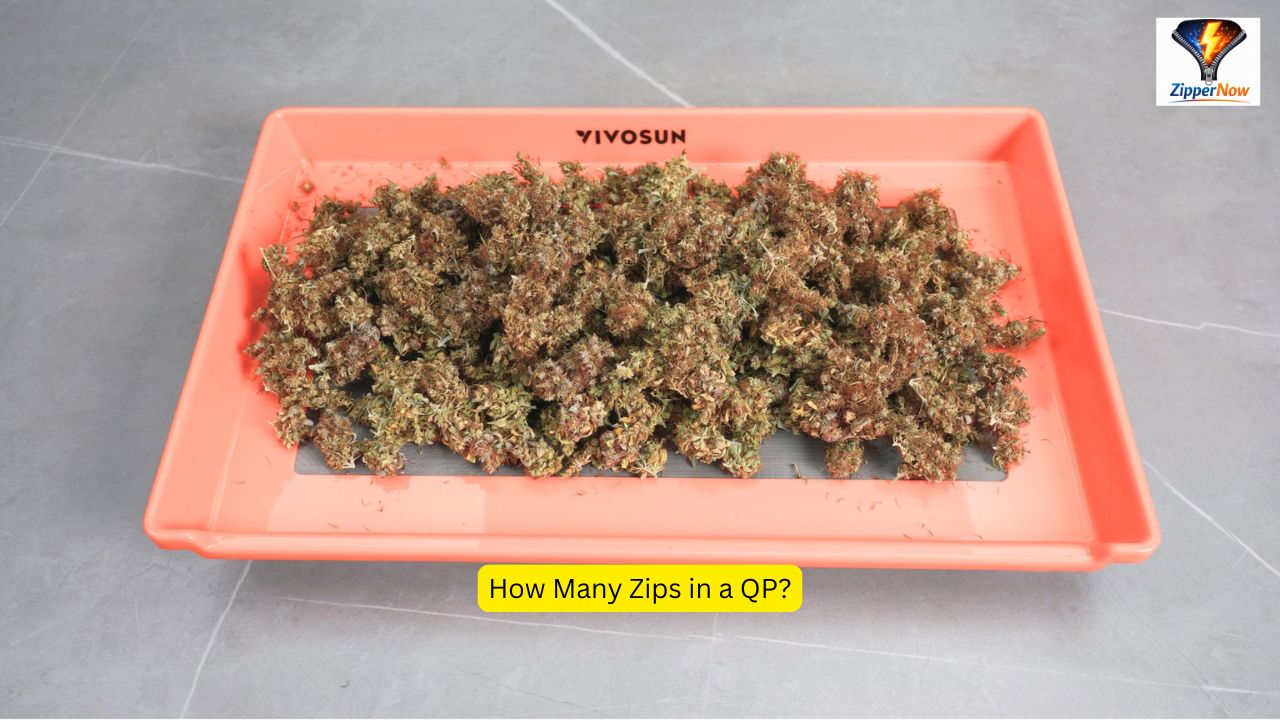
Let’s be real—weed measurements can feel like learning a new language. Zips, QPs, halves, pounds… it sounds more like a math class than a chill conversation. If you’ve ever wondered how many zips are in a QP, you’re not alone. This question pops up all the time, especially among people buying in bulk or just trying not to get confused (or ripped off).
So grab a seat, relax, and let’s break it all down in the simplest, most human way possible.
Understanding Cannabis Measurement Basics
Before jumping straight to the answer, it helps to understand the basics. Think of this like learning the alphabet before reading a book.
What Does a “Zip” Mean?
A zip is slang for one ounce of cannabis. The name comes from the fact that an ounce typically fits nicely into a small zip-lock bag. Hence—zip.
- 1 zip = 1 ounce
- 1 ounce = 28 grams
Simple, right?
What Is a QP?
A QP stands for Quarter Pound. And yes, it’s exactly what it sounds like.
- 1 pound = 16 ounces
- 1 quarter pound = 4 ounces
Why These Terms Exist in the First Place
Cannabis slang grew from street culture, long before legalization and fancy dispensary menus. These terms made transactions quicker, discreet, and easier—especially when you didn’t want to spell everything out loud.
How Many Zips Are in a QP?
Now for the moment you came here for.
The Straightforward Answer
👉 There are 4 zips in a QP.
No tricks. No hidden math.
The Math Behind It
Let’s break it down:
- 1 zip = 1 ounce
- 1 QP = 4 ounces
So:
1 QP = 4 zips
Visualizing the Quantity
Imagine four individual zip-lock bags, each holding an ounce. Put them together in one bigger bag—and boom, that’s your QP.
Breaking Down Weed Slang and Street Terminology
Cannabis culture loves its slang. It’s part of the vibe.
Common Cannabis Weight Slang
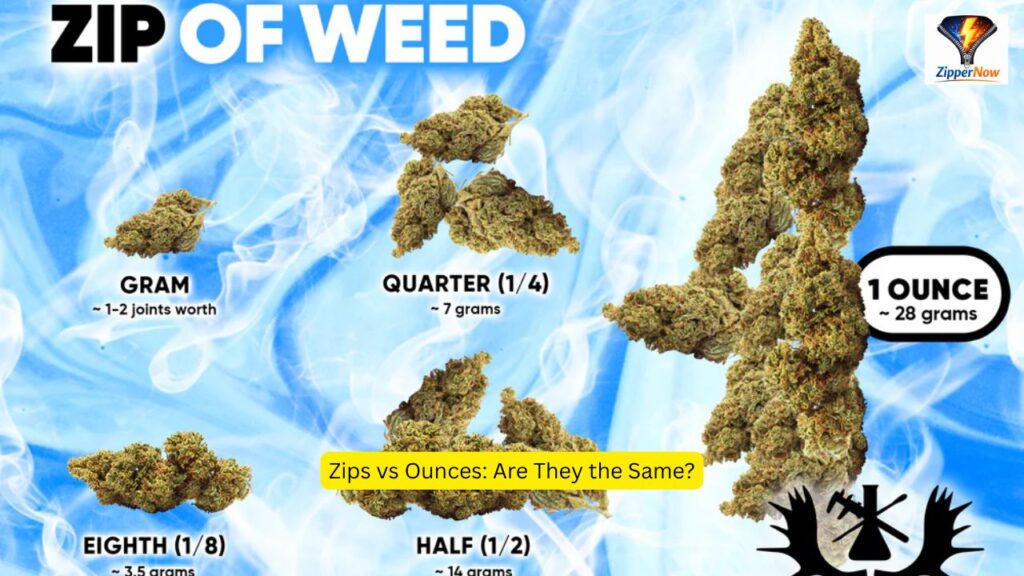
- Gram – smallest common amount
- Eighth – 3.5 grams
- Quarter – 7 grams
- Half – 14 grams
- Zip – 28 grams
- QP – 4 zips (112 grams)
- Pound – 16 zips
Why Slang Is Still Popular Today
Even with legalization, slang sticks around because it’s fast, familiar, and cultural. Saying “zip” just feels cooler than saying “28 grams,” doesn’t it?
Zips vs Ounces: Are They the Same?
Short answer: yes.
Similarities and Differences
A zip and an ounce are the same amount. The difference is purely linguistic.
- Zip = slang
- Ounce = formal measurement
Regional Variations in Usage
In some areas, “zip” is way more common. In others, people stick to ounces. Either way, the weight stays the same.
Why Knowing Zips in a QP Matters
This isn’t just trivia—it’s practical knowledge.
Buying in Bulk
Buying a QP often gets you a better price per zip. Knowing the breakdown helps you understand if the deal is actually worth it.
Selling and Distribution Knowledge
If you’re redistributing (where legal), understanding how many zips you’re handling avoids confusion and mistakes.
Avoiding Overpaying or Getting Shorted
Knowledge protects your wallet. If someone says a QP is “three and a half zips,” that’s a red flag.
How Much Does a QP Usually Cost?
Prices vary—a lot.
Price Factors
- Quality of the strain
- Indoor vs outdoor
- Demand and supply
- Legal vs illegal market
Quality, Location, and Supply
In some places, a QP might cost the same as two zips elsewhere. Location plays a massive role.
How Long Does a QP Last?
Depends on how often you partake.
Casual Users
A QP can last months if you’re a light user.
Heavy Users
For daily smokers, maybe a few weeks.
Storage Tips for Longevity
Keep it:
- Airtight
- Cool
- Away from light
Treat it like fine tea or coffee.
Legal Considerations Around QPs and Zips
This part is important.
State-by-State Differences
Some places allow only an ounce. Others allow more. A QP might be legal in one state and illegal in another.
Staying on the Safe Side
Always check local laws. Don’t assume legality just because it’s legal somewhere else.
Common Mistakes People Make With Weed Measurements
Mistakes happen—but they’re avoidable.
Confusing Slang
Thinking a zip is more or less than an ounce can mess things up fast.
Estimating Without Weighing
Eyeballing weed is risky. Always use a scale if accuracy matters.
QP Compared to Other Quantities
Let’s put it all into perspective.
Eighths, Quarters, Halves, and Pounds
A QP sits right in the middle—not too small, not massive.
Quick Reference Chart Explained in Words
- 1 QP = 4 zips
- 1 QP = 8 halves
- 1 QP = 16 quarters
- 1 QP = 32 eighths
Is Buying a QP Worth It?
It depends on you.
Pros of Buying a QP
- Better price per zip
- Less frequent buying
- Great for sharing (legally)
Cons to Consider
- Higher upfront cost
- Storage responsibility
Who a QP Is Best For
Regular users, medical patients, or groups pooling together.
Cultural Impact of Cannabis Measurements
This stuff goes beyond numbers.
Music, Media, and Street Culture
Hip-hop, movies, and pop culture made terms like zip and QP mainstream.
How Language Shapes Cannabis Culture
The slang creates community—it’s like an inside joke everyone understands.
Final Thoughts on Zips and QPs
Keeping It Simple
A QP is just 4 zips. Once you know that, everything else falls into place.
Knowledge Is Power
Understanding measurements means smarter buying, safer choices, and fewer headaches.
Read also:-
Conclusion:-
So, how many zips in a QP? Four. Always four. Whether you’re new to cannabis culture or just brushing up your knowledge, understanding measurements makes everything smoother. No confusion, no guessing—just clarity. And honestly, clarity is always a good thing.
FAQs:
1. Is a zip always exactly one ounce?
Yes, a zip refers to one ounce (28 grams).
2. Can a QP be more than four zips?
No, by definition a QP is exactly four zips.
3. Why do people say zip instead of ounce?
It’s slang rooted in street culture and convenience.
4. Is owning a QP legal everywhere?
No, legality depends on local and state laws.
5. Is buying a QP cheaper than buying single zips?
Usually yes, but prices vary by location and quality.